
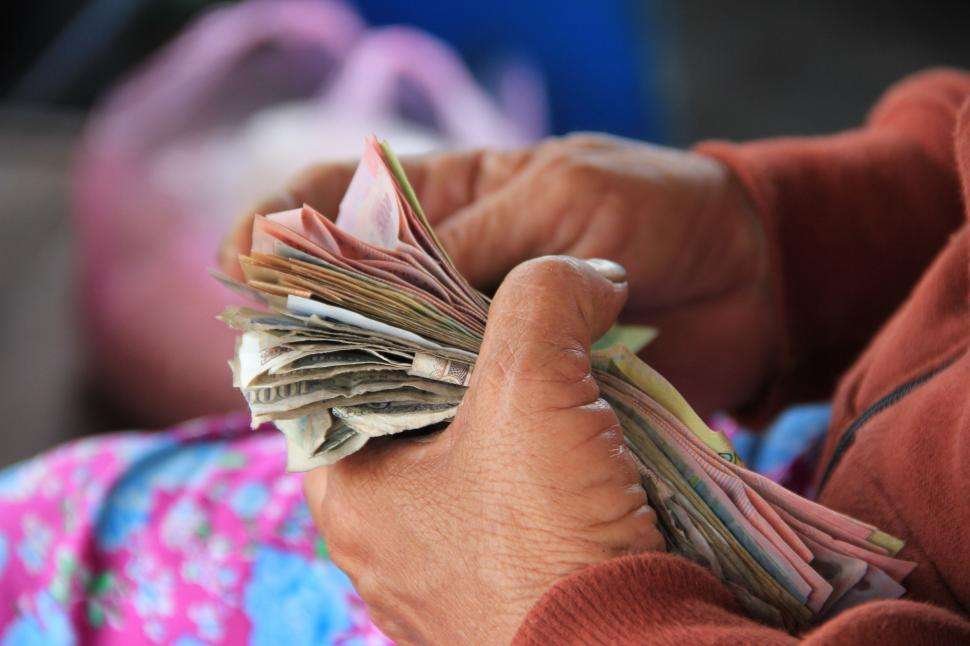
(OSV News) — Guaranteed basic income, also known as universal basic income, is one of the more contested threads in America’s social safety net — the network of state and federal government programs designed to insulate citizens from economic hardship.
A regular monthly or annual cash payment from the government — with no conditions attached to work, income amount or marriage status — the concept has both supporters and detractors. Supporters say it could lift people from poverty and instability, while critics warn it could stifle both motivation and employment.
Universal basic income program tested in New York
The city of Rochester, New York, — in research partnership with the Lab for Economic Opportunities, or LEO, at the University of Notre Dame in Notre Dame, Indiana — announced in December its year-long Guaranteed Basic Income program was a success. More than 11,000 people applied for the city’s GBI pilot, which ultimately selected 351 recipients through a lottery.
Notre Dame compared the recipients’ outcomes with the 11,000 other applicants and found the program’s $500 monthly payment to participants was effective.
To read more, go here.